

你是不是花了两个月没日没夜地刷题,在手机App上模拟考都能拿90分,可一进考场面对真正的按摩联邦考试,却连题目都看不懂?这种情况在华人考生中太普遍了。其实,这并不是因为你的英文不够好,也不是因为你不够努力,而是你忽略了最核心的一点:学懂与背题的区别。在正式考场上,系统给你的题目永远是新鲜的、灵活的,如果你脑子里只有死记硬背的答案,一变问法你就会彻底卡壳。
论坛上有考生分享说:”今天早上我参加考试时,没有一道题和我在App上练习的题目相似。” 这就是真相。如果你只记住了某个问题的正确选项,却不理解背后的解剖原理或评估逻辑,那么这种”熟悉感”其实是一种致命的错觉。要通过考试,你必须从单纯的记忆转向深层的理解。
什么是真正的学懂与背题的区别?
在准备按摩联邦考试的过程中,学懂与背题的区别主要体现在对知识的”迁移能力”上。死记硬背(Rote Memorization)是指通过不断重复,机械地记住信息,而不去探究背后的因果关系。这种方法在面对固定题库的考试时或许有用,但面对按摩联邦考试这种能力评估测试,就会完全失效。
相反,理解(Understanding)是指你掌握了概念、原理以及它们之间的内在联系。例如,与其死记硬背某块肌肉的起点和止点,不如去理解它的功能——它长在这个位置,是为了拉动哪根骨头做哪个动作?当你理解了功能,无论题目问你”这块肌肉收缩会发生什么”,还是”如果某个关节受限可能是哪块肌肉出了问题”,你都能推导出正确答案。
老兵点评:这种判断逻辑,是可以被系统训练出来的。而这正是我们易北教育十多年在做的事。你不需要成为英文专家,你需要的是一套把中文思路和英文题目接起来的框架。
按摩联邦考试为什么不能靠背题?
很多华人考生不明白,按摩联邦考试采用的是计算机自适应测试(Computer-Adaptive Test, CAT)系统。这意味着什么?这意味着每一个人的题目序列都是独一无二的。如果你答对了一道中等难度的题,下一道题就会变难;如果你答错了,下一道就会变简单。这种机制天然让背题库失效。
如果你没能真正掌握学懂与背题的区别,在考场上就会遇到这种尴尬:题目越做越简单,你以为自己稳了,其实是因为你之前的题一直答错,系统正在把你调入低分段。根据 FSMTB 的官方数据,按摩联邦考试的考题涵盖了从解剖学(11%)到病理学(14%)再到评估计划(17%)等七大领域。这些知识不是孤立的,解剖学的知识往往会融入在病理学的案例分析中。如果你还没看过我们关于按摩联邦考试自适应系统的详解,建议先读一读,你会明白为什么死记硬背是走不通的。

科学备考:从死记硬背到逻辑通透
既然背题没用,那该怎么学?首先要明白,学习不是要把所有的书读完,而是要建立联系。比如在学习病理学时,很多人把”客户面谈”当成无关紧要的闲聊。但在考试中,很多情景题会考查你如何根据客户的病史调整治疗方案。如果你理解了糖尿病会导致感觉迟钝(Neuropathy),你自然就知道按压力度要减轻,这不需要背,这就是逻辑。
在易北教育,我们提倡”先考再学”。先做一次系统测评,我们帮你找准问题在哪。通过诊断测试发现你的知识盲区,然后针对性地通过主动回忆(Active Recall)和间隔重复(Spaced Repetition)来强化。不是去背那个 A 还是 B,而是去弄清楚为什么 A 是对的,更重要的是,为什么 B、C、D 是错的。当你能解释错误选项的错误原因时,你就真正掌握了学懂与背题的区别。
常见问题 FAQ
Q: 为什么我在家刷题能拿高分,去考试却过不了?
Q: 英语不好,不靠背题真的能过按摩联邦考试吗?
Q: 准备按摩联邦考试大概需要多久?
✅ 本文要点回顾
- 学懂与背题的区别在于知识迁移能力,而非机械记忆。
- 按摩联邦考试采用 CAT 系统,每次考试题目都是随机且自适应难度的。
- 死记硬背会产生熟悉错觉,导致正式考场上脑回路断电。
- 通过科学的主动回忆和逻辑推导,英语零基础也能通过。
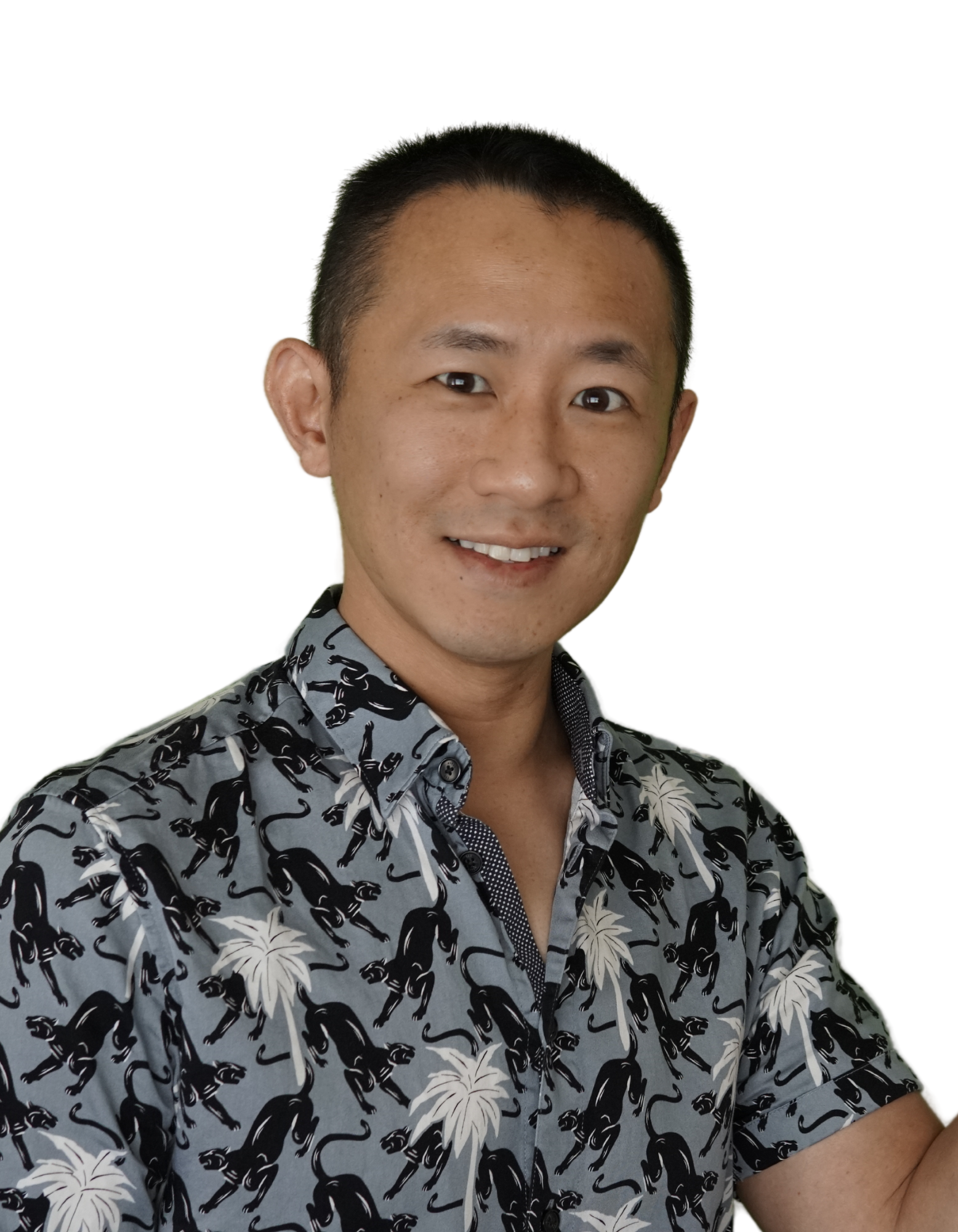
张维麟(Weilin Chang)
易北教育创始人,按摩联邦考试辅导专家。已帮助超过六百三十位华人通过了按摩联邦考试。专注于用中文教学帮助英文零基础、年纪大的在美华人突破语言障碍,轻松备考。
How to Pass the MBLEx: Understanding vs. Memorization Guide
Many students ask themselves how to pass the mblex after failing their first attempt despite spending hours with practice apps. The core issue often lies in what we call in Chinese 学懂与背题的区别 (the difference between understanding and rote memorization). The Massage & Bodywork Licensing Examination (MBLEx) is not a memory test; it is a competency assessment designed to measure your clinical reasoning skills as an entry-level massage therapist.
What is on the MBLEx Exam?
To understand how to pass the mblex, you must first understand its structure. The Federation of State Massage Therapy Boards (FSMTB) oversees the exam, which consists of 100 multiple-choice questions. These questions are divided into seven content areas: Anatomy & Physiology (11%), Kinesiology (12%), Pathology & Contraindications (14%), Benefits & Physiological Effects (15%), Client Assessment (17%), Ethics & Boundaries (16%), and Professional Practice (15%).
What makes the MBLEx challenging is its Computer-Adaptive Testing (CAT) format. Unlike traditional tests where every student gets the same questions, the CAT system adjusts the difficulty based on your performance. If you answer a question correctly, the next one is harder. This ensures that the test precisely measures your level of knowledge. Therefore, simply memorizing a static test bank will not prepare you for the unique sequence of questions you will face in the Pearson VUE testing center.
The Trap of Rote Memorization
Rote memorization involves repeating information until it is committed to memory without necessarily understanding the underlying concepts. While this might work for simple vocabulary, it fails in clinical scenarios. For example, if you memorize that the “origin of the biceps brachii is the supraglenoid tubercle,” but don’t understand what an “origin” actually does during muscle contraction, you won’t be able to answer an application question about arm flexion.
At YiBei Education (易北教育), we emphasize that how to pass the mblex depends on your ability to connect dots. The FSMTB explicitly states that the exam tests your ability to apply concepts to real-world client scenarios. If a question describes a client with high blood pressure and asks for treatment adjustments, you need to understand the pathology of hypertension and the physiological effects of massage, rather than recalling a specific practice question answer.
Effective Study Strategies for the MBLEx
If you want to know how to pass the mblex on your next try, you must adopt evidence-based learning strategies. Two of the most effective methods are Active Recall and Spaced Repetition. Instead of re-reading your textbook, which creates an “illusion of competence,” you should test yourself constantly. Ask yourself: “Why is this the correct answer?” and “What makes the other three options incorrect?”
Another vital tip for how to pass the mblex is focusing on medical terminology. Many Chinese-speaking students struggle with the language, but medical terms often follow predictable patterns with prefixes and suffixes. Understanding that “-itis” means inflammation allows you to decipher terms like tendonitis or arthritis even if you haven’t seen that specific word before. This logical approach reduces the burden of memorization and builds true comprehension.
Dealing with Exam Anxiety and CAT Logic
Many candidates feel anxious when the questions seem to get harder during the exam. However, in a CAT system, harder questions are actually a good sign! It means you are answering correctly and the system is pushing you into a higher scoring bracket. If the questions feel too easy, it might be a sign that you are struggling with the core concepts. Consistency is key; start your preparation 4-6 months in advance, focusing on one content area at a time.
Finally, remember that integrity is paramount. FSMTB has strict policies against disclosing exam content. Success comes from honest hard work and genuine understanding of the material. At YiBei Education, we have helped over 630 Chinese students navigate these challenges. We provide the bridge between Chinese logic and English terminology, ensuring that our students don’t just memorize but truly master the art and science of massage therapy.
Summary of MBLEx Success Factors
1. Master the 7 content areas by understanding the relationship between anatomy and pathology.
2. Understand the CAT logic: questions adapt to your level.
3. Use Active Recall instead of passive reading.
4. Don’t rely on question banks; the real exam is unique.
5. Focus on the ‘why’ behind the ‘what’.
By following these guidelines and choosing true understanding over rote memorization — what we call in Chinese 学懂与背题的区别 to true mastery, you will be well on your way to obtaining your massage license and starting a successful career in the United States.
还没搞清楚考试规则?100 题、110 分钟、成绩只报 PASS/FAIL 不给分数——这些官方规定都整理在 按摩联邦考试(MBLEx)完全指南。