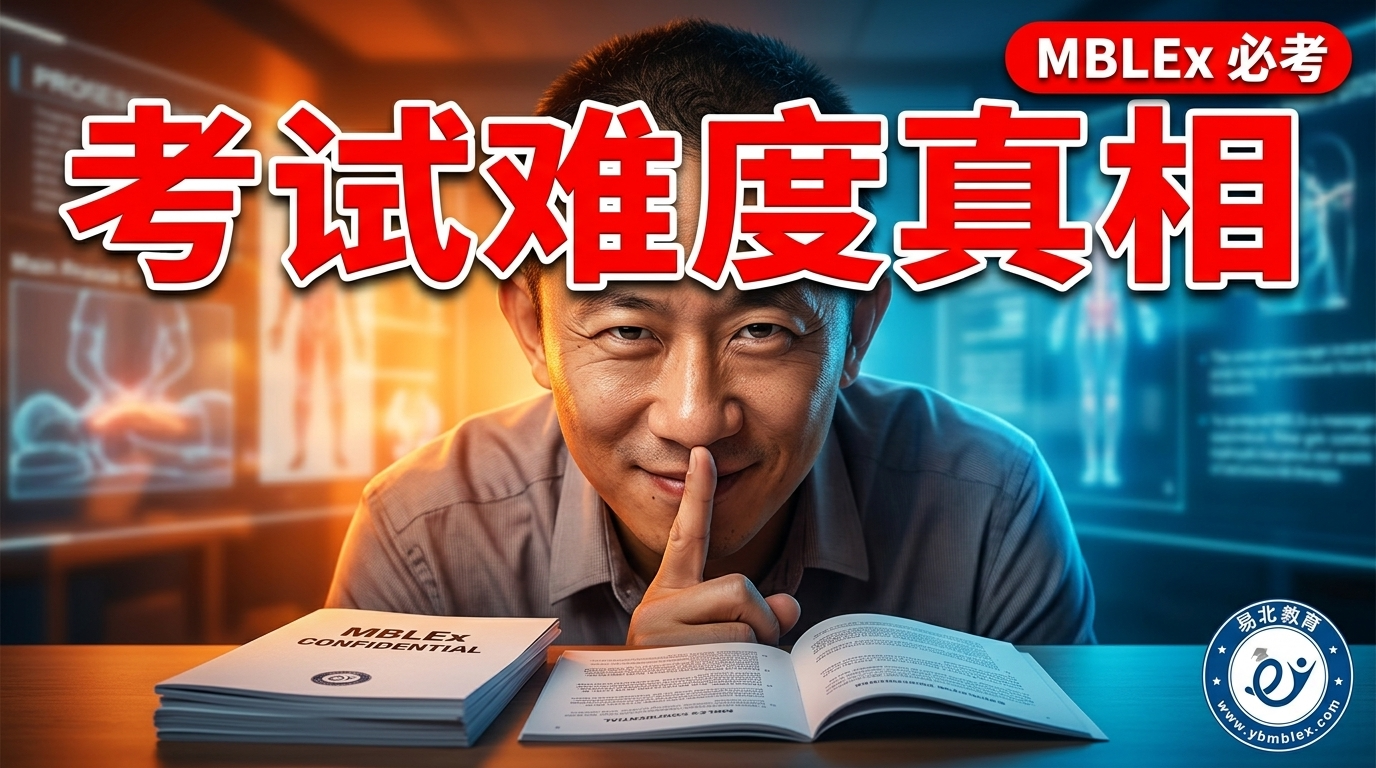
你坐在考场上,屏幕上的题目越来越长,单词越来越陌生,你的第一个念头是不是完了?这种对题目的恐惧,往往是因为你不了解按摩联邦考试自适应系统的运作逻辑。这种心理压力会导致你在最关键的时刻做出错误判断。
很多英文零基础、年纪大的华人考生以为题目变难是系统在惩罚自己。其实,当你遇到很难的解剖学长单词或复杂的临床场景题时,这往往说明你前面的基础题答对了。系统认为你有更强的能力,正在给你更高分值的挑战。读懂这个信号,你才能在考场上稳住阵脚。
什么是按摩联邦考试自适应系统 (CAT)?
按摩联邦考试采用的是一种智能评分技术,英文全称是 Computer Adaptive Testing,也就是我们常说的按摩联邦考试自适应系统。它的核心逻辑不是计算你答对了多少题,而是测量你站稳了哪一个高度。
考试重点:系统在找你的能力上限,而不是在算你的正确率百分比。答对一道难题的权重,远高于答对三道基础题。
想象你在爬一把梯子。当你踩稳了一级(答对一题),系统会给你更高的一级(难度增加)。如果你没踩稳(答错一题),系统会给你低一级让你站稳(难度降低)。只要最终你停留的高度超过了官方设定的合格线,你就通过了。这种逻辑下,题目变难其实是系统对你能力的认可。
掌握难度阶梯:题目变难时怎么稳住
有的考生考了几次都没过,出来都说题目太难。其实很多时候,是因为不懂按摩联邦考试自适应系统:一看到长单词就觉得自己不行,心态一垮,后面的简单题也跟着做错。这就好比梯子降下来让你找重心,你却直接跳下了梯子。

下次进考场,遇到一堆难懂的专业词汇,心里记住一句话:难就难吧,说明梯子在带我往上走。稳住,把会做的题做对。如果你还没看过关于解剖方位词的详解,建议先读一读,这能帮你应对很多难题。
🎬 张老师视频讲解
文字看不够?视频里有更详细的讲解、记忆口诀和真题演练
⬆️ 点击播放,跟着张老师一起学
避坑指南:心态崩溃才是分数的真正小偷
在按摩联邦考试自适应系统中,最致命的错误不是不认识单词,而是心态先崩了。当你觉得题目针对你时,你的大脑会停止思考逻辑,转而进入恐惧状态。这就是为什么很多人在考场上会出现脑袋一片空白的情况。这种判断逻辑,是可以被系统训练出来的。而这正是我们十多年在做的事。
记住两个记忆锚点:第一,梯子往上(题变难)要稳住爬,不要被吓跑。第二,梯子往下(题变易)要找重心,把基础分拿死。与其盲目背几千个单词,不如学会如何与这个智能系统打交道。如果你对新题型感到困惑,可以参考我们关于三选一题型解析的文章。
常见问题 FAQ
Q: 按摩联邦考试自适应系统是怎么决定下一道题难度的?
Q: 如果一直遇到难题,是不是说明我肯定能过?
Q: 英文差的人怎么应对这种自适应系统?
✅ 本文要点回顾
- 题目变难说明你表现优异,不要产生自我怀疑。
- 自适应系统的核心是测量能力上限而非计算对错总数。
- 考场上要通过题目难易度调整解题心态,找准重心。
- 针对性系统测评比盲目背单词更有效。
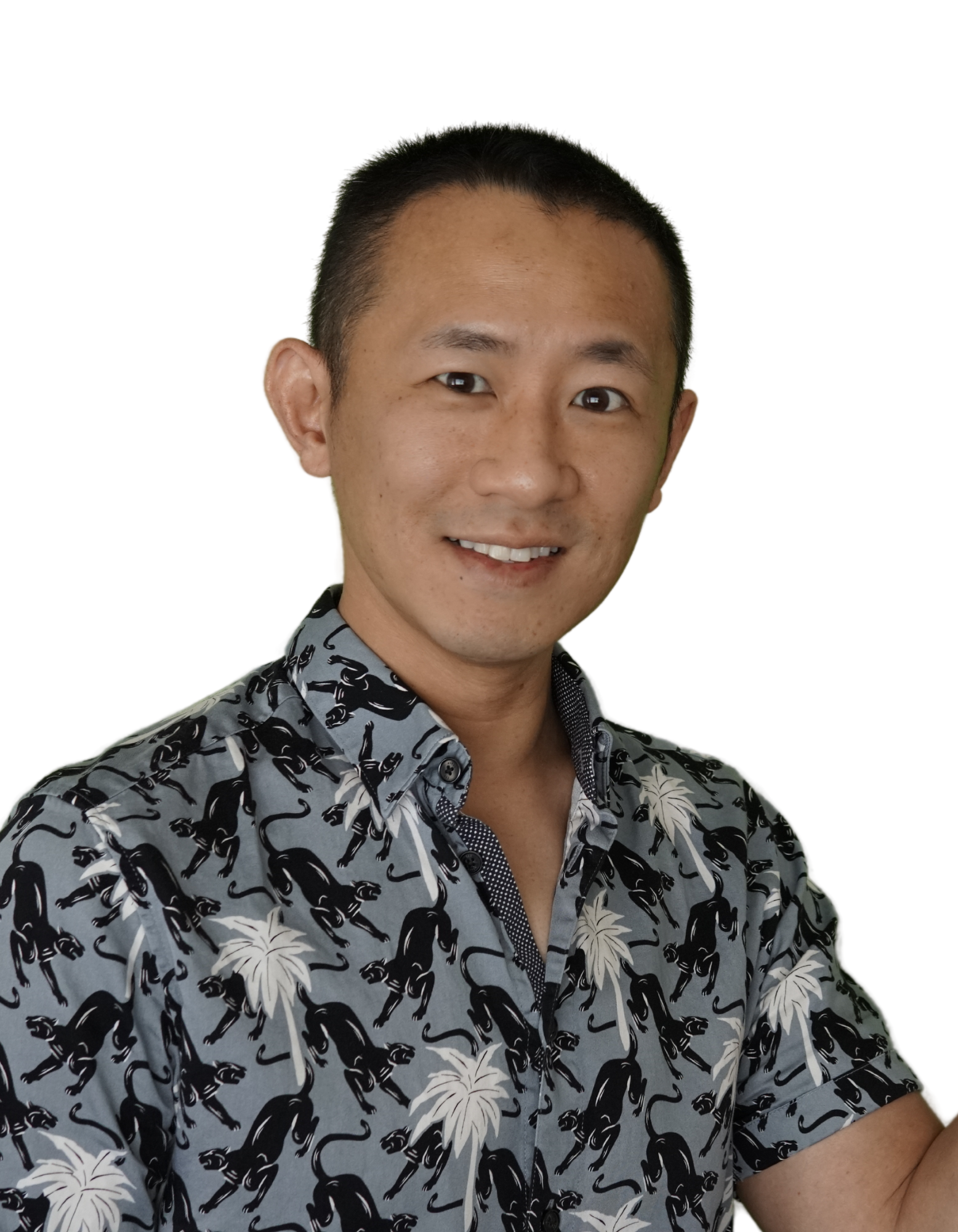
张维麟(Weilin Chang)
易北教育创始人,按摩联邦考试辅导专家。已帮助超过六百三十位华人通过了按摩联邦考试。专注于用中文教学帮助英文零基础、年纪大的在美华人突破语言障碍,轻松备考。易北教育,通过考试更简易!
Understanding the MBLEx Computer Adaptive Testing (CAT) System: A Comprehensive Guide
The Massage & Bodywork Licensing Examination (MBLEx), administered by the Federation of State Massage Therapy Boards (FSMTB), is a critical milestone for aspiring massage therapists in the United States. One of the most misunderstood aspects of this exam is the 按摩联邦考试自适应系统, known in English as Computer Adaptive Testing (CAT). Unlike traditional linear tests where every student receives the same set of questions, the CAT system dynamically tailors the examination to the individual test-taker’s ability level. This ensures a more precise measurement of a candidate’s competence while often reducing the total number of items needed to reach a definitive pass or fail decision.
The underlying psychometric theory for CAT is Item Response Theory (IRT). In the context of the MBLEx, every question in the vast item bank is calibrated based on its difficulty level. When you begin the exam, the computer typically presents a question of moderate difficulty. Depending on whether your answer is correct or incorrect, the algorithm recalibrates its estimation of your ability. If you answer correctly, the next item selected will be slightly more challenging. If you answer incorrectly, the system provides a less difficult question to find your baseline. This process continues throughout the 100-item exam, constantly narrowing the standard error of measurement until your ability level is determined relative to the passing standard.
Many students at YiBei Education (易北教育) report a common psychological phenomenon: they feel as though the test is becoming progressively harder and nearly impossible to finish. In a traditional mindset, difficulty is perceived as failure. However, within the 按摩联邦考试自适应系统, encountering difficult questions is actually a high-ability indicator. It signifies that you have successfully navigated the easier items and the computer is now testing the limits of your professional knowledge. For Chinese-speaking students who may struggle with English medical terminology, understanding this scoring logic is paramount. It prevents the “panic spiral” that occurs when a student sees a long, complex question and assumes they have already failed.
It is important to note that you cannot skip questions or go back to previous ones in the MBLEx. Every choice you make immediately informs the selection of the subsequent item. This makes each question a critical pivot point. At YiBei Education, we emphasize that students should not aim for a perfect score but rather for a consistent performance above the threshold. The CAT algorithm is designed to identify the point where you have a 50% probability of answering a question correctly. If that point—your “ability level”—is higher than the cut-score set by the FSMTB, you pass. Therefore, the goal isn’t to get 100% of the questions right, but to ensure that the questions you are getting wrong are the very difficult ones, while you remain rock-solid on the foundational concepts.
Since July 2017 the MBLEx has been reported as PASS or FAIL only — FSMTB no longer releases a numeric score, so the old “scaled score” figures still circulating online no longer apply. However, because of the 按摩联邦考试自适应系统, this doesn’t correspond to a fixed percentage of correct answers. A candidate who answers 60 difficult questions correctly might pass, while a candidate who answers 70 very easy questions correctly might fail, as they never reached the required difficulty threshold. This is why rote memorization of practice test banks is often ineffective. The system is designed to detect true competence, not just the ability to recall specific phrases. We focus on teaching the underlying clinical reasoning so that students can handle whatever level of difficulty the computer throws at them.
Anxiety management is perhaps the most underrated skill in passing the MBLEx. For immigrants and non-native speakers, the cognitive load of translating medical terms while also analyzing clinical scenarios can be exhausting. When the 按摩联邦考试自适应系统 increases the difficulty, the linguistic complexity also tends to rise. By training our students to recognize these difficulty shifts as positive reinforcement, we transform their exam-day psychology. Instead of viewing a five-line clinical scenario as an obstacle, they view it as a sign of progress. This shift in perspective is often the difference between those who fail multiple times and those who pass on their next attempt.
The FSMTB provides official resources and content outlines that are essential for preparation. Candidates are encouraged to visit the FSMTB website for the latest updates on exam policies. At YiBei Education, we bridge the gap between these official requirements and the unique needs of the Chinese-speaking community. We believe that professional massage therapy is a dignified path to the American dream. By mastering the 按摩联邦考试自适应系统 logic, our students reclaim their confidence and secure their future in the healthcare industry. Our ten-plus years of experience have proven that with the right methodology, language is not a barrier to professional success.
In summary, the MBLEx is not just a test of what you know; it is a test of how you handle the adaptive nature of professional assessment. The 按摩联邦考试自适应系统 is your partner in proving your worth. Trust the process, trust your training, and remember that when the questions get tough, you are likely closer to your license than you think. YiBei Education stands with every student as they climb that ladder of success, one difficult question at a time.
相关阅读:按摩联邦考试(MBLEx)完全指南——从考试范围、计分方式到英文不好该怎么准备,一篇看完。